Practical ways for teaching kids about money.
Key takeaways:
- Simple, hands-on money lessons kids can see and understand. Using jars, cash, or digital savings goals helps make money feel real.
- Help kids connect work and earning. Age-appropriate chores, jobs and money games for children can teach them where money comes from and how to make thoughtful spending choices.
- Let kids learn from small money mistakes. Those experiences can build confidence and help them make better decisions as they grow.
Teaching kids about money can feel overwhelming, especially when you're trying to balance everyday responsibilities. The good news is that financial lessons don't have to be complicated. Some of the most valuable lessons happen during everyday moments, like shopping for groceries or earning money from chores.
Starting these conversations early can make a difference. A recent Pew Research Center survey found that only 41% of young adults ages 18 to 29 say they know a great deal or fair amount about personal finance. Helping kids learn money basics while they're young can build confidence and prepare them for bigger financial decisions later in life.
Whether your child is learning to count coins or getting their first paycheck, these four practical strategies can help answer a common parent question: how to teach kids about money in ways that feel natural and age appropriate.
Start with the Three-Jar Method
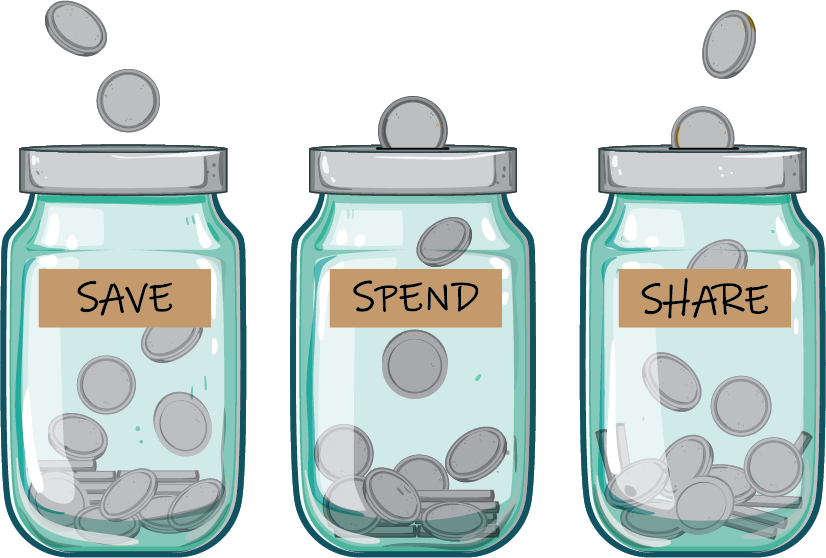
For younger children, simple and visual often works best. Try setting up three jars labeled Spend, Save and Share. When your child receives money, whether from a birthday or chores, help them divide it among the jars. As your child becomes ready for digital money tools, the Greenlight money app can build on the three-jar method by helping them earn money, work toward savings goals and practice spending with parental oversight.
Spend (50%)
The spending jar gives kids the freedom to make their own choices. When children spend their own money, they start to understand trade-offs. If they buy something on impulse and later wish they had saved their money, that's a valuable lesson they are unlikely to forget.
"Children don't learn financial responsibility from lectures alone. They learn by making choices, seeing the results and building confidence along the way in an environment where it's okay to make mistakes," says Mindy Heuszel-Lepin, consumer strategy manager, Commerce Bank.
Save (30%)
The savings jar teaches patience and goal setting. Help your child choose something they want to save for, such as a bike or video game. Watching their savings grow can help them stay motivated and understand that reaching goals often takes time.
As children get older, digital savings tools such as Greenlight’s money app, which you can sign up for through Commerce Bank, can help reinforce those same lessons while making it easy to track progress.
Share (20%)
The sharing jar helps children think about helping others. Whether it's supporting a local cause, donating to a food drive, or contributing to a fundraiser, giving can introduce important conversations about generosity and community.
When they physically move money into different jars, they're learning important money lessons for kids that go beyond counting dollars and cents.
Turn Shopping Trips into Money Lessons
Everyday situations like shopping trips can become some of the most effective money lessons for kids because they connect financial concepts to real-world decisions.
For older children and preteens, consider giving them a set dollar amount to spend on ingredients for a family meal or a shopping list. As they compare products and keep track of costs, they'll begin practicing important money skills like planning, decision-making and staying within a budget.
If they go over budget, they'll need to make adjustments and decide what to put back. Those experiences help build confidence and problem-solving skills.
You can even make it fun by turning shopping into a money game for kids:
- Find the best value for a product.
- Stay under a spending limit.
- Compare unit prices.
“Shopping together gives kids a chance to practice making money decisions,” says Heuszel-Lepin. “It helps them understand the value of a dollar and the trade-offs that come with spending it.”
As kids become ready to make purchases on their own, a Greenlight debit card can help them practice real-world spending decisions while you stay involved along the way.
Show Kids How Earning Works
One of the most important money lessons is understanding where money comes from. Rather than automatically handing out an allowance, consider creating age-appropriate opportunities for children to earn money. Younger kids might help organize a room or assist with yard work. Older children may look for babysitting opportunities, lawn care jobs or part-time work.
When kids work for their money, they often become more thoughtful about how they spend it. A Greenlight debit card for kids can help families with younger children connect chores and allowance by letting parents assign chores, track completion and schedule allowance payments in the app. Kids can then see what they earned and decide how much to save or spend.
Let Small Mistakes Become Learning Opportunities
It can be tempting to step in when your child makes a poor spending choice. However, small mistakes often teach powerful lessons.
If your child spends their entire allowance on candy and later realizes they don't have enough money for something else they wanted, try using the moment as a conversation starter instead of immediately fixing the problem.
Ask questions like:
- What would you do differently next time?
- Was the purchase worth it?
- How could you reach your goal faster?
These discussions help children learn how to think through decisions and understand the consequences of their choices.
Heuszel-Lepin says, “The goal isn't to avoid every mistake. It's to help kids learn from their choices, build confidence, and develop healthy money habits along the way."
Help Your Child Build Confidence with Money
Greenlight Level Up™ link opens in a new window can reinforce these conversations with game-based financial lessons that help kids learn important money basics. Parents can use those lessons alongside real-life experiences to keep the conversation going after a spending decision.
Teaching kids about money doesn't require formal lessons or complicated tools. The everyday decisions they make about earning, saving and spending can create meaningful opportunities to learn. Starting early and building on those lessons over time can help your child develop confidence and healthy money habits that last well into adulthood.
As your kids grow, Greenlight can help your family turn everyday money decisions into learning opportunities with savings goals, spending tools and financial education designed for young learners. And, if you need additional support, a Commerce Banker can help connect you to products and educational resources that fit your family's goals.
Learn More About Greenlight